Our partners at Guatemala Human Rights Commission, GHRC, are asking individuals and human rights organizations to support a Dear Colleague letter initiated by Representative Raul Grijalva as another step Congress can take to support human rights defenders and the rule of law in Guatemala. We are asking that you call or email your representative in the House. GHRC has an action page where you can e-mail your representative and get the phone number to their office. Click here to see who your representative is.
The letter highlights the following:
• The current Guatemalan amnesty law that would prevent justice for crimes against humanity carried out during the internal armed conflict,
• The impacts of Decree 4-2020, which allows the executive branch of the State discretionary powers to dissolve NGOs if their activities might “alter the public order,” and to prosecute their directors,
• The threats that democratic institutions, such as The Human Rights Ombudsman’s Office, are undergoing,
• Cases of persecution against human rights defenders, such as the Bernardo Caal Xol case; and
• The corruption case of Juan Francisco Sandoval, former head of the Special Prosecutor’s Office Against Impunity (FECI) and leading anti-corruption prosecutor.
Please help us work for the defense of human rights defenders, judges, and others who are under increasing attacks.
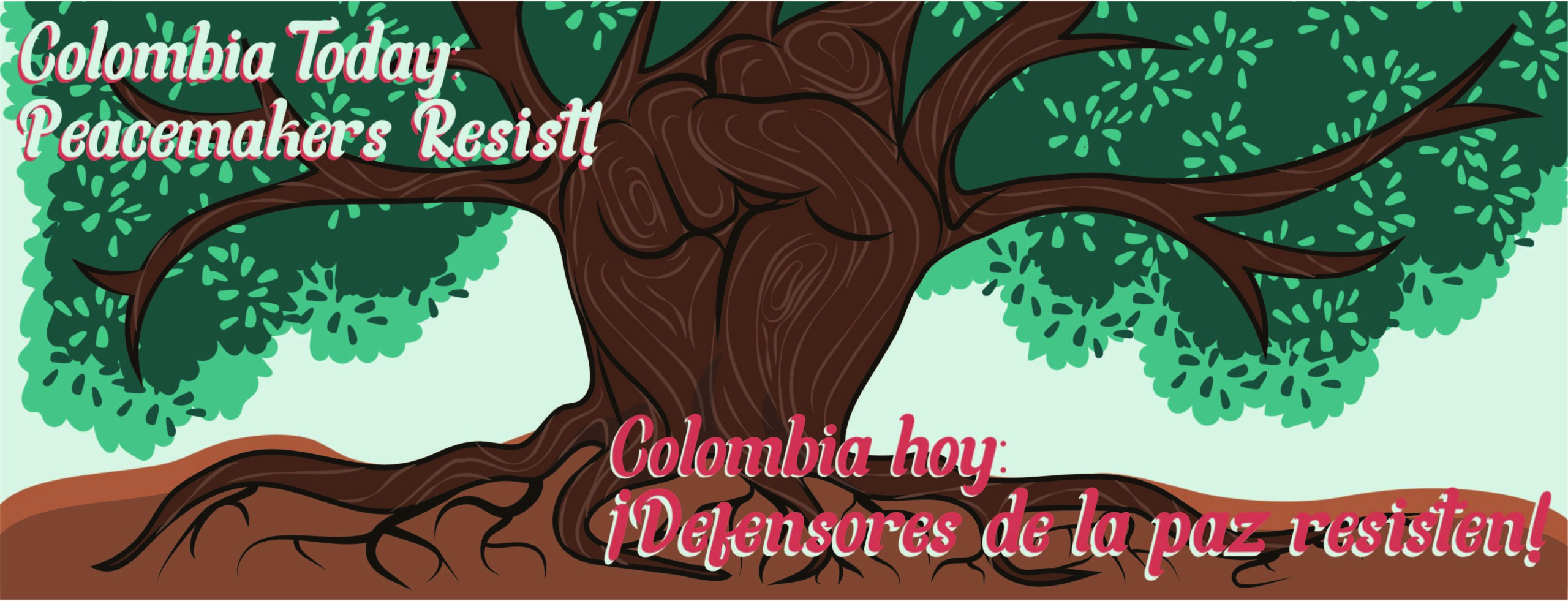
Unase a nosotros en el Evento Anual de CRLN con Danilo Rueda de la Comisión Intereclesial de Justicia y Paz
Sábado, 13 de Noviembre a las 5:30 pm en vivo por zoom
Acompáñenos para ver a Danilo Rueda, el secretario ejecutivo de la organización ecuménica colombiana, la Comisión Intereclesial de Justica y Paz. Hablará, sobre la huelga nacional y las protestas largas de este año. Las fuerzas de la seguridad en Colombia han atacado a manifestantes, matado a 43 individuos, desaparecido a decenas y ahora están criminalizando a centenares de activistas. Los que luchan por la paz exigen un país seguro con infraestructura para todos, apoyo socioeconómico para los pobres y un proceso de responsabilidad para los que cometieron crímenes contra los derechos humanos durante la larga guerra civil. El Sr. Rueda hablará sobre lo que detonó las protestas y cómo podemos apoyar a los activistas y su visión de la justicia social y la paz.
Danilo Rueda
Defensor de derechos humanos y de paz social y ambiental. Comunicador social. Realizó estudios de filosofía, teología, educación y de pos grado en Estudios políticos. Ha sido profesor de la Universidad Javeriana y Externado de Colombia. Redactor de Actualidad Colombiana. Columnista y colaborador en medios indepedientes. Fue integrante del Tribunal Permanente de los Pueblos. Ha sido secretario técnico de la iniciativa Colombianas y Colombianos por la Paz. En la actualidad es Secretario Ejecutivo de la Comisión Intereclesial de Justicia y Paz, J&P. Director del medio virtual Contagio Multimedia. Es integrante de Defendamos la Paz. Promotor del Pacto por la Vida y la Paz, y del Acuerdo Humanitario Global. Es representante de víctimas ante el Sistema Interamericanos de Derechos Humanos.
Nuestro evento es gratuito pero es necesario registrarse. Regístrese aquí y obtenga más información sobre cómo donar, patrocinar o colocar un anuncio en el libro del programa aquí.
CRLN and some of Rep. Quigley’s constituents from Third Unitarian Church will send the following letter to him. If you are a constituent in Illinois’ 5th Congressional District, please click here to authorize us to sign your name, too.
September 21, 2021
Rep. Mike Quigley, Congressman, IL-5
Dear Rep. Quigley,
We are meeting today with your Legislative Assistant, Marshele Bryant. The purpose of our meeting is twofold:
1) To request that you co-sponsor two House resolutions on Honduras: the Berta Caceres Human Rights in Honduras Act (H.R. 1574) and the Honduras Human Rights and Anti-Corruption Act (H.R. 2716)
2) To request that you support a pathway to permanent protections for DACA recipients, TPS holders, farmworkers, and other essential workers.
H.R. 1574 would prohibit U.S. assistance to the police and military of Honduras and direct U.S. Representatives of multilateral development banks to vote against providing loans to the Honduran police or military. We thank you for co-sponsoring this legislation in the previous three sessions of Congress and ask that you do so again.
H.R. 2716 would also suspend U.S. assistance to the Honduran police and military until corruption, impunity, and human rights violations are no longer systemic and the perpetrators of these crimes are being brought to justice. In addition, it will impose sanctions on the Honduran president for corruption and human rights abuses and suspend U.S. security assistance and export licenses for covered defense articles and munitions items to the Honduran police and military, among other provisions.
Our organization is in touch with many human rights groups in Honduras, and what they tell us is alarming. Honduras has become a narco-state, as high level Honduran officials use the police and military to protect drug traffickers and their routes in exchange for bribe money. Some Honduran government and security officials are themselves trafficking drugs. Officials also use the police and military to stay in power, directing them to violently put down peaceful protests over election fraud, government corruption, and theft from public funds. Military and police have carried out targeted assassinations against human rights defenders and those who stand up against corruption—there is evidence of death squads within their ranks.
All of this is more than a case of a few bad apples: democracy, the rule of law, public safety, and life itself are being undermined, as evidenced by the large numbers of people leaving Honduras as migrants. The U.S. is currently pretending that by funding the military and police, we are increasing security. We are not. Please do your part to shut down this funding until corruption and impunity for human rights violations cease.
We also wanted to reach out and ask you for your consistent support of immigrants and for your continued support of legislation to provide a pathway to permanent protections for DACA recipients, TPS holders, farmworkers, and other essential workers.
We know that a pathway to permanent protections is vital to the long term success of our economy, communities and families and an important component to building back better. The public strongly supports a pathway to permanent protections and believes that Congressional action is long overdue. We are confident that enacting these reforms via reconciliation is the best way to finally get it done this year.
On behalf of the millions of immigrant workers and families, many who have been locked out of the ability to earn a pathway to permanent protections, including DACA recipients and TPS holders who have been essential to our communities’ response and recovery from COVID-19, we urge you to seize this historic opportunity.
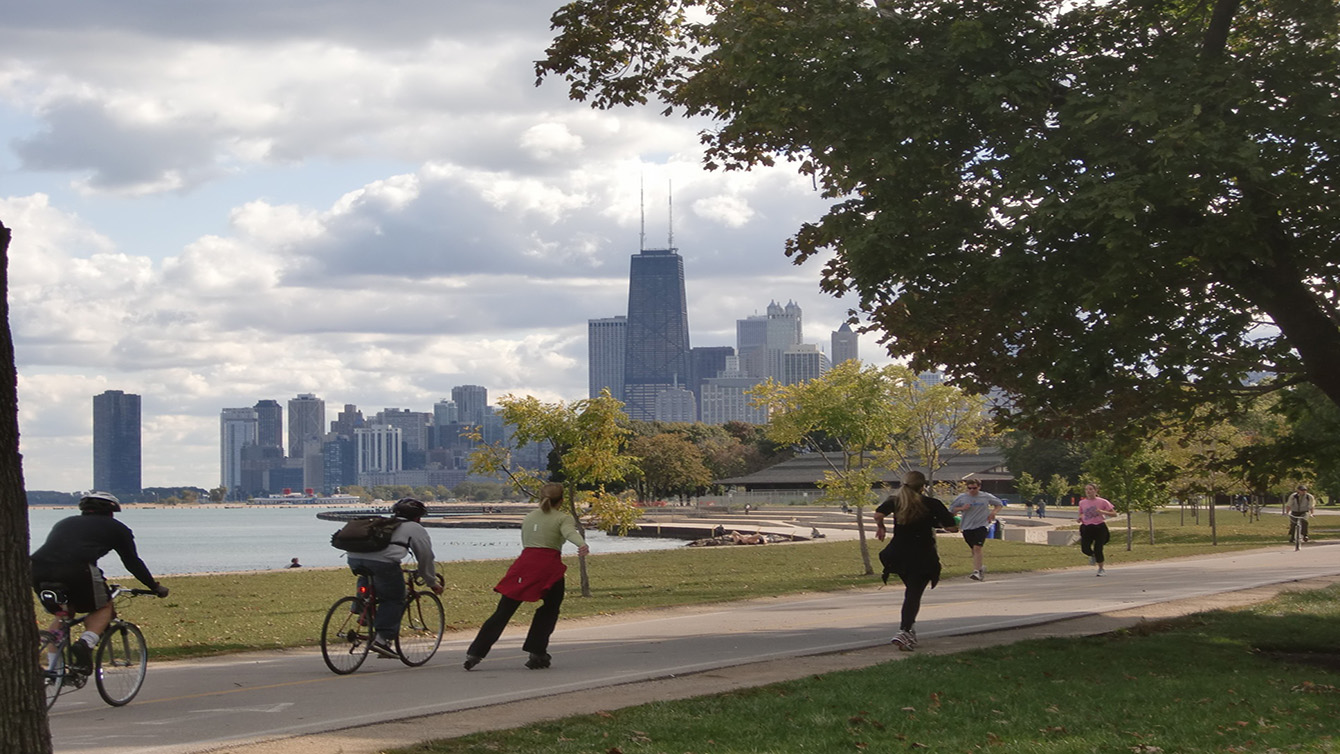
Every year, CRLN and partner organizations in Illinois host Pedal for Peace, which raises funds that connect us with communities in Latin America and immigrant communities in Illinois. People everywhere have their dreams and goals for receiving education, access to health care, and a chance to participate in meaningful ways as citizens. This year, Pedal for Peace raises funds for 6 different projects that help people realize these dreams. Click here for project descriptions, to donate online, or to sign up to bike, run or walk to help fundraise. Registration is free.You must sign up on line to register, but you may donate by check if you prefer. Make your check out to CRLN, put the name of the team you support in the memo line, and mail it to CRLN, 5655 S. University Ave., Rm. 23, Chicago, IL 60637.
If you sign up to bike, ride or walk:
August 20 – September 19: Choose the day for your activity:
**alone or with family/friends;
**On a path, neighborhood streets, in a park, or on an exercise bike;
**find people to donate to the projects in honor of your activity;
**Send a photo of yourself in your biking location to shunter-smith@crln.org. Photos will be shared at the celebration program.
September 26, 4-5pm: Virtual program to celebrate our united efforts to empower communities in Latin America and Illinois. An in person celebration may be possible. More information will be sent to you closer to the date.
Since 2009, thousands of Honduran human rights defenders, Indigenous land and water defenders, journalists, union members, campesinos, people who identify as LGBTQ, and people protesting government policies and government corruption have been killed, attacked, criminalized, harassed, and “disappeared” by members of the Honduran military or police forces, or by death squads operating within these forces. The U.S. continues to send funding to both the Honduran military and police forces anyway.
Finally, 12 years after the military coup d’etat in Honduras, there are companion bills in both the House and the Senate that would suspend U.S. military aid and police aid to Honduras, including for training, equipment, weapons and munitions for crowd control (teargas, water cannons, etc.), and place personal sanctions on Honduran President Juan Orlando Hernandez and other high level officials in his administration or in the Honduran Congress for their corruption and anti-democratic actions. Representative Jan Schakowsky (D-IL-09) introduced the House version, and Senator Jeff Merkley (D-OR) introduced the Senate bill.
This gives us a pathway to pass binding legislation. We need your help to convince enough Representatives and Senators to co-sponsor these bills! With enough co-sponsors, the bills can pass out of committee and go to the floor of the House and Senate for a vote. You can find a list of co-sponsors and the text of the bills at the links in the previous paragraph.
Call the Capitol Switchboard at (202) 224-3121 and ask to be connected to your Senator (repeat for your second Senator and for your Representative). When you are connected to their office, ask to speak to the foreign policy aide. Be sure to get their name and email address so you can follow up with an email. If the foreign policy aide is not available, ask to leave a message on their voice mail. After you leave the message, send an email to the aide with your message.
Sample script: “My name is _____. I am a constituent of yours. I am calling (or writing) to ask (Senator or Representative _____) to co-sponsor The Honduras Human Rights and Anti-Corruption Act of 2021. The bill number is (S. 388 – Senate; H.R. 2716 – House). The bill calls for the suspension of ‘United States support for the Government of Honduras until endemic corruption, impunity, and human rights violations cease, and their perpetrators are brought to justice.’ Has (Senator or Representative _______) seen this bill? Can I count on them to join as a cosponsor? Please call me this week at (your phone number) to let me know if you have seen the bill, and if your boss will support it. For more information or to co-sponsor the bill, please contact (Caroline Kuritzkes and Matt Squeri in Senator Merkley’s office; or Kate Durkin in Representative Schakowsky’s office).”
Please contact Sharon at shunter-smith@crln.org when you send your message and call, especially if you get a response.
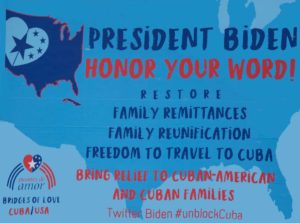
• the end of all sanctions • the restoration of remittances • the resumption of flights from the U.S., not only to Havana but to all the regional centers of Cuba • the reopening of the U.S. Embassy in Havana • a restart to the program of family reunification
Chicagoans will rally on July 25 at 1 pm at Michigan Ave. and Ida B. Wells Drive in solidarity with these demands.
Let’s support building bridges of love between Cuba and the United States.
Join the call to end the U.S. sanctions now!
Events in DC: You can find out more about welcome events in DC at https://www.codepink.org/cuba07252021. Car and Bike Caravan in Milwaukee: The car and bike caravan will take place on Sunday, July 25, with a send off rally at 1pm at the parking lot of the Mitchell Park Domes, 524 South Layton Blvd., Milwaukee 53215. In addition to Cuban-Americans, speakers will include Tony Baez who co-sponsored the unanimously adopted Milwaukee School Board resolution calling for normal relations, and a representative from Voces de la Frontera, the state’s leading immigrant rights organization.
Evangelical Theological Seminary (SET) Communiqué on the Current Situation in Cuba
July 12, 2021
Dear sisters and brothers from SET partner Churches and Institutions,
We greet you in the name of our common Lord Jesus Christ and at the same time we thank you for your prayers and your expressions of concern related to the current situation in our country.
We are living an acute economic crisis and a crisis of values since the “special period” (decade of the 1990s) when the Soviet Union and socialist bloc collapsed; we have not yet recovered from those times. The crisis has become worse due to several factors.
On one hand, the aggressive policy of the governments of the United States against Cuba, particularly during the Donald Trump administration, which imposed 242 measures, most of them during the Covid-19 pandemic, against our people to try to smother us. On the past session of the General Assembly of the United Nations on June 23, 184 nations voted in favor of the Republic of Cuba against the blockade, with two votes against and three abstentions.
On the other hand, the Covid-19 pandemic that has brought negative consequences: the sad death of loved ones, which produces a great emotional impact on the people. Furthermore, the State loses millions of dollars above all due to the fall of tourism; despite that, it invests millions of dollars to try to heal and save the people. A significant example of that is the development of scientific research and the production of five vaccine candidates against Covid-19 (Soberana 01, 02, Plus; Abdala and Mambisa). Recently, Cuba authorized its Abdala vaccine in the midst of the worst outbreak of the pandemic. The project showed over 92 percent electivity in the application of three doses in the last stage of clinical trials, thus becoming the first Latin American vaccine. However, we are suffering a collapse of health institutions, particularly here in the province of Matanzas, the present epicenter of the pandemic, with dire scarcity of medicines.
Finally, the crisis has intensified because of the economic measures taken by the State at the beginning of this year. Even though salaries have increased and the government has reiterated the promise that no one will be defenseless, the truth is that the population has to pay five times more for food and electricity, water, gas, telephone and other services.
In the last few days, particularly the past Sunday, July 11, there have been disturbances, protests and vandalism, mainly caused by many of the accumulated dissatisfactions along these years that have worsened in the last few months. Moreover, these dissatisfactions have been fueled and promoted from outside the country – in a very opportunistic way – as well as from within through the social media. Even though disturbances like those from last Sunday have stopped in the country, there is an uneasy calm.
As churches, we are interceding for our people, giving comfort, care, producing and sharing sense, offering messages of faith – strength and hope, as well as dialogue, reconciliation and peace with justice. In addition, we are offering solidarity and witness, making diaconal work or service – through the Living Waters project, helping and serving food for the vulnerable, and through laundry for the elderly people.
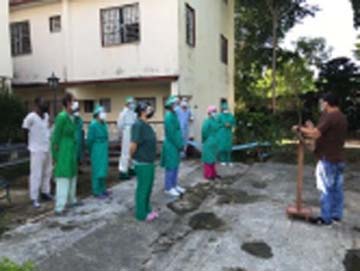
In the case of SET, last month the only Pediatric Hospital of the province of Matanzas exceeded its maximum capacity. The Ministry of Public Health of the province requested the help of the Seminary, to serve as an annex center of the Children’s Hospital to accommodate children who were considered suspicious of having contracted Covid-19 with their companions. We immediately agreed, following the long traditions of our institution of service to the civil society.
On June 20, we held a joint meeting, and both institutions worked intensely from that moment on to create the necessary conditions in the visitors’ building, ensuring the protection of the members of our community and the properties. We were able to fit out 120 capacities; some for those children positive to the disease and one accompanying parent; some for those who were suspicious of having it plus one accompanying parent. Besides, adults who are positive or suspicious of being positive to Covid-19 are also assisted here. We also host teams of 10 people, doctors and nurses for hospital aid. All capacities have been occupied since June 21, discharging those who recovered from the disease and transferring those who needed it to the Intensive Care Unit.
At present, 10 SET workers are working in the different areas. The kitchen team prepares food for 140 people every day including breakfast, lunch, dinner and two snacks. Even when the Ministry of Public Health is supplying with all the logistics, including foodstuff, SET offers the infrastructures, covering its expenses.
As to our teaching objectives, the Matanzas campus is closed at present and our Higher Ecumenical Institute of Sciences of Religions (ISECRE) continues working in virtual mode in the midst of “vacations”. We are getting ready to begin the new course 2021-2022 on August 30 and we are learning to conduct the process of teaching-learning in virtual mode and distance courses. To do this we have received help from partner institutions abroad that have graciously shared their vast experiences with us. We understand the great challenges we have ahead of us, i.e., the formation of renewed pastorate and leadership in the churches and other religious institutions serving in Cuba for the new times, for this Kairos of our nation, in a post-Covid period that will not be the same; and the proactive participation in the new society we are trying to build.
We greatly appreciate your consistent solidarity accompaniment through your prayers and through public advocacy to lift the blockade which damages directly our bilateral mission relationships. The blockade hinders the possibility to send financial resources to our Seminary, including other countries because of its extraterritorial nature. We request an international campaign to oppose a military intervention against our country incited by politicians in that country, especially those of Cuban origin. We will be grateful for any donations of medicines and food, for which we will send indications in the next few days.
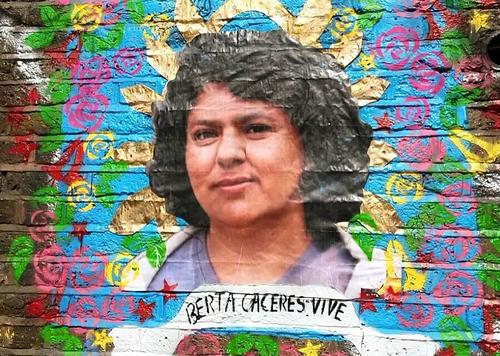
CRLN participated in a meeting called by COPINH, the organization founded by the slain Indigenous environmental activist and feminist Berta Caceres. They are calling for urgent international support, as evidence linking powerful members of Honduran society to Berta’s murder has emerged in the trial of David Castillo, one of the people accused of planning the assassination. The family has always contended that there were other intellectual authors of the murder. In retaliation, there has been a media campaign linking Berta Caceres and COPINH with criminal activities and putting pressure on the court to return a “not guilty” verdict against Castillo and to keep the others from ever having a case brought to court.
Please read the urgent action alert from the Honduras Solidarity Network and send the letter, which is the written text after the graphic, by scrolling to the bottom and entering your information. Spanish text follows the English text. You can find the action alert by clicking here.
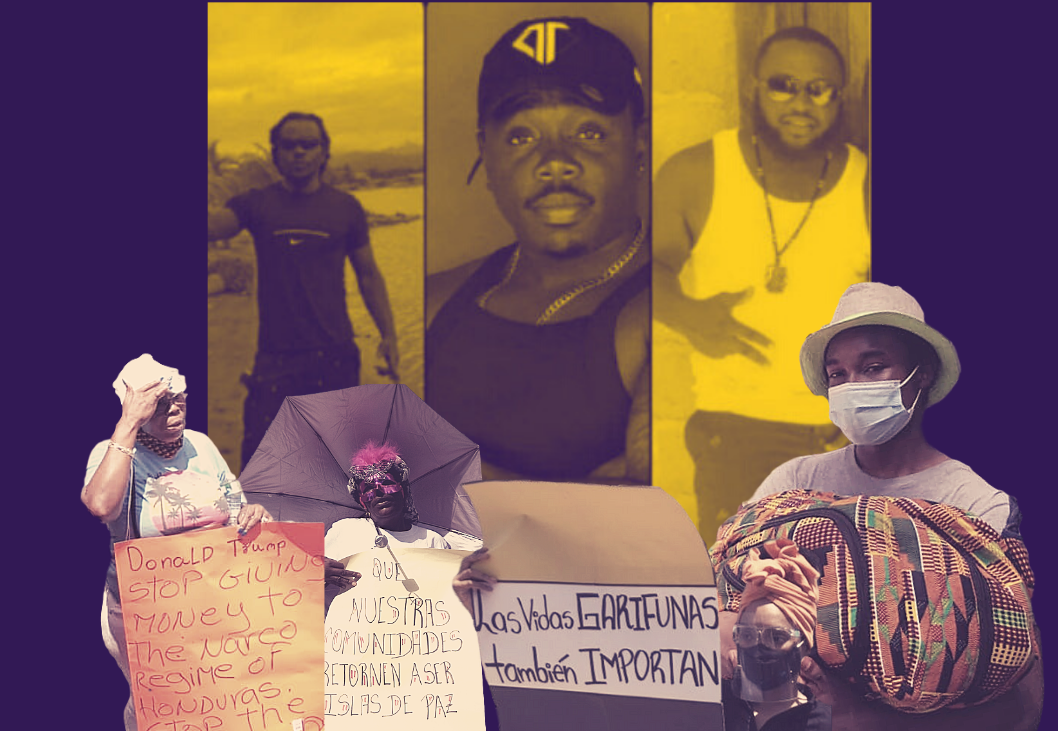
On July 18, 2020, 4 Garifuna men from Triunfo de la Cruz and a guest of the community were forcibly disappeared by men wearing Honduran Investigative Police Directorate vests. Their families have sought justice from the state but are unsatisfied with the lack of progress in the investigation and the contempt shown for their rights by the investigators.
Yesterday, the Black Fraternal Organization of Honduras (OFRANEH) sponsored a webinar calling for a new action from the international community: demand that the Honduran state incorporate the Committee for the Search and Investigation of the Disappeared of Triunfo de la Cruz (SUNLA) and any external experts it calls into the investigative process. SUNLA was formed at the request of the affected families and approved by the Assembly of the Garifuna people. Click here to read the letter to Honduran officials and sign on.
Aua Balde, member of the UN Working Group on Enforced or Involuntary Disappearances, explained that international law gives families of those forcibly disappeared the right to information from the state from its investigation of the crime. The Honduran state has failed to share information with the Garifuna families. International law also gives families the right to appoint other investigators if they are not satisfied with the state’s investigation and obligates the state to work with and assist these alternative investigators.
OFRANEH believes the men were disappeared because of their successful appeal to the Inter-American Court of Human Rights (IACHR) to rule on the state seizure of their land and forcible displacement of the Garifuna owners of that land in order to grant concessions to resort companies to build seaside hotels. The Court found in favor of the Garifuna in a ruling that directed the state to issue reparations and refrain from further forcible displacements and land seizures.
CRLN issued an action alert last July to its email list and signed onto a letter along with 221 other organizations demanding information of the whereabouts of the disappeared men, that the Honduran state comply with requests from the IACHR regarding information about the state investigation into their disappearance, compliance with the previous IACHR rulings about reparations, and protection for the family members and Garifuna communities at risk.
Latin America Program Coordinator Job Announcement
The Chicago Religious Leadership Network on Latin America (CRLN) seeks a Latin America Program Coordinator. CRLN has a staff of four that coordinate an interfaith education, action, and advocacy network. For over 30 years, CRLN has worked to open spaces for the voices of those in the Americas affected by U.S. policies and has worked in solidarity with movements for social justice and human rights. Through educational events, delegations, speaker tours, and regular issue updates, CRLN educates and mobilizes to empower people to advocate for positive changes in U.S. policy in the Americas with elected city, state and federal officials.