image-title

(Español Aqui)

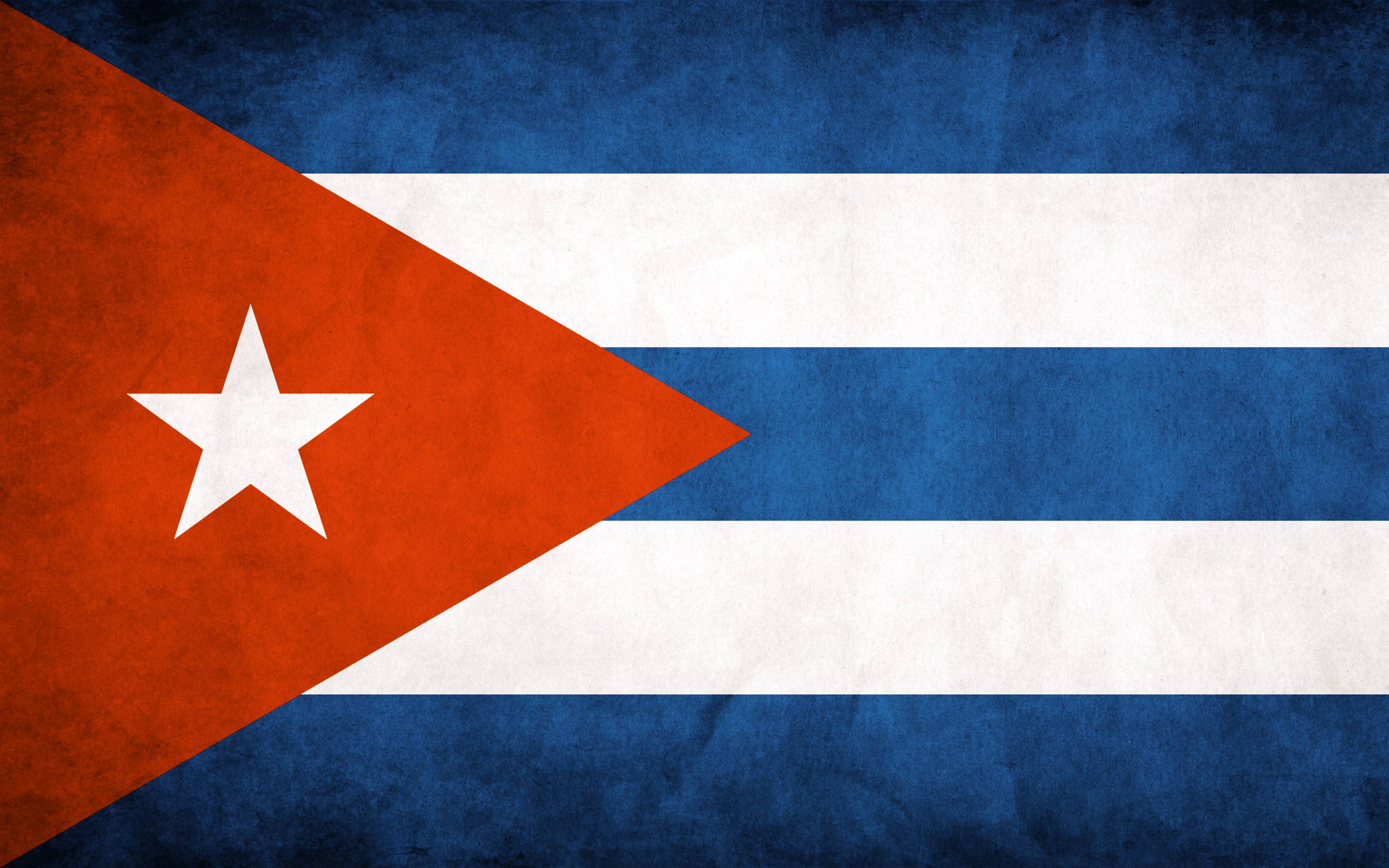
While diplomatic relations between the U.S. and Cuba have been reestablished and some trade and travel restrictions have been changed by executive order, the embargo remains in place and the Cuban people still experience the shortages of crucial medicines and other essential products. Imposed in the early sixties to “bring about hunger, desperation and overthrow of the government” (State Department, April 6, 1960) the U.S. embargo is often called a blockade because of the widespread effects of these policies. CRLN has worked with many other organizations for more than twenty years to end these harmful policies carried out in our name. This work has led to many positive changes in policy. Because these policy changes were made by executive order our current president was able on June 16 to reinstate some of the limits to travel and trade. Action by Congress is required to finally end all the U.S. restrictions including the embargo and this year several bi-partisan bills have been reintroduced in the House and Senate. By working together we can change these harmful policies!

IL Senators Durbin and Duckworth are (or soon will be) co-sponsors of the bills in the Senate, so in Illinois we are focusing on the Illinois Representatives.  Call the Capitol Switchboard today at 202-224-3121 to be connected to your Representative.  Let them know that now is the time to finally lift these restrictions (sample script below)!  Be sure to thank them if they are a co-sponsor already.

House Bills

 The Cuba Agricultural Exports Act (H.R. 525)
Introduced by Rep. Eric A. Crawford (R-AR-1)
This bill seeks to repeal financing restrictions, allowing firms in the U.S. to offer credit to Cuba in connection with exports of U.S. agricultural goods. It also seeks to eliminate restrictions on key federal funding used in agricultural export promotions.  Current Illinois representatives co-sponsoring are:  Robin Kelly (D- IL 02), Rodney Davis (R-IL 13), Cheri Bustos (D- IL 17), Darin LaHood (R- IL18),  Raja Krishnamoorthi (D-IL-8)

 The Cuba Trade Act (H.R. 442)
Introduced by Rep. Tom Emmer (R-MN-6)
This bill would allow businesses in the private sector to trade freely with Cuba, while prohibiting taxpayer funds to be used on promotion or development of a new market. Current Illinois representative co-sponsoring is Darin LaHood (R-IL 18)

 The Freedom to Travel to Cuba Act (H.R. 351)
Introduced by Rep. Mark Sanford (R-SC-1)
The bill simply removes the current travel restrictions to Cuba.

Suggested Script for IL Representatives “As your constituent, I want you to know that I strongly support continued U.S. engagement with Cuba. Increased travel and trade with Cuba allows your constituents their right to travel to Cuba, but also helps to improve the lives of the Cuban people.

The U.S. embargo on Cuba has hurt both the Cuban and the American people. I urge you to co-sponsor  HR 525HR 442 and HR 351 to lift the U.S. travel ban and trade embargo on Cuba.”  (if they have co-sponsored you can add the thank-you in this paragraph)

Read More
image-title

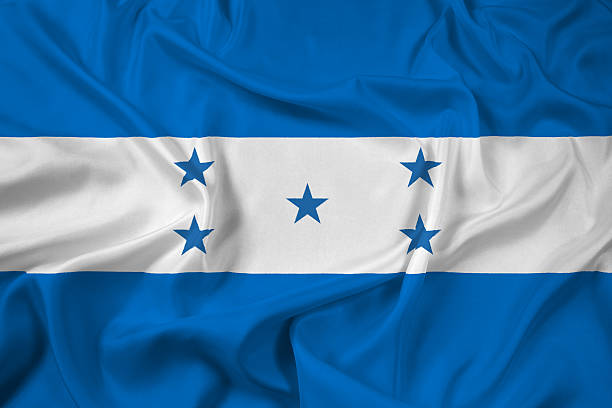
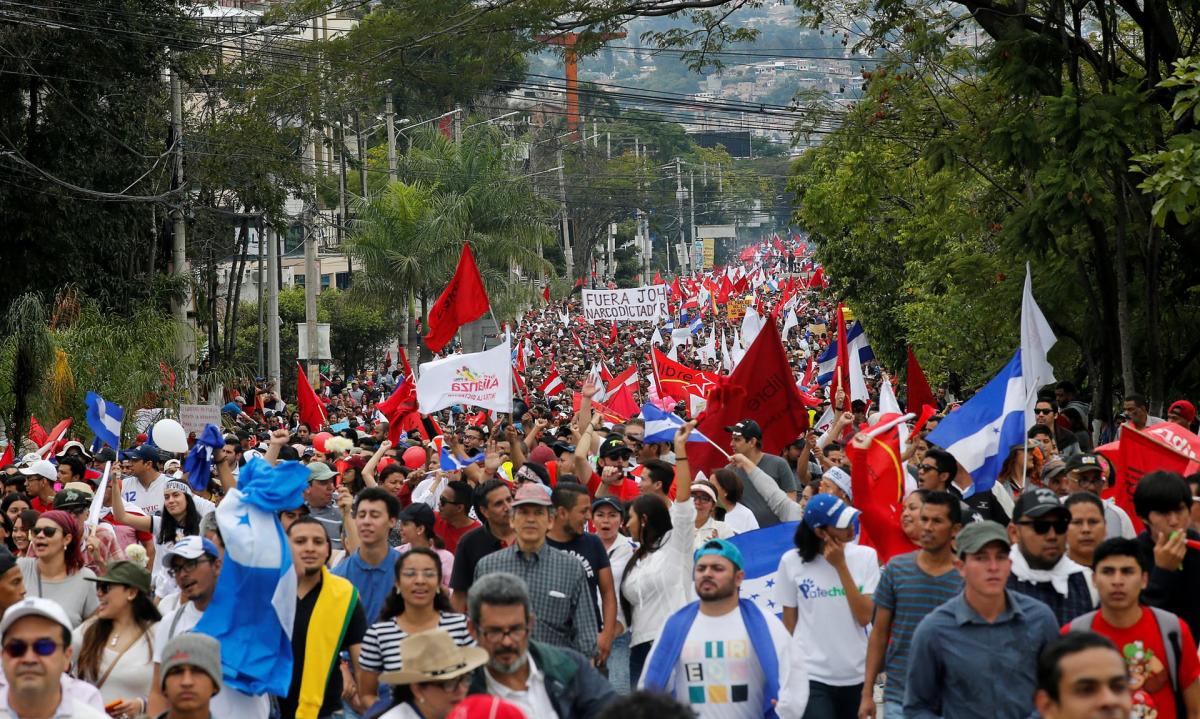
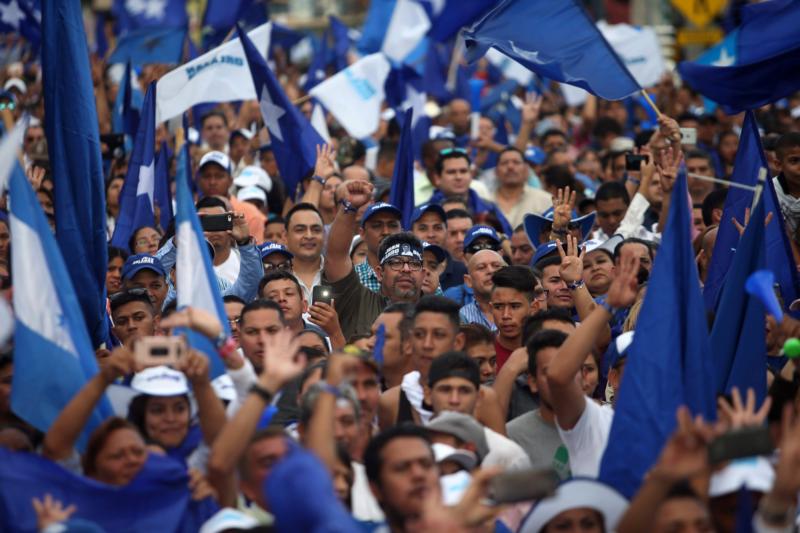
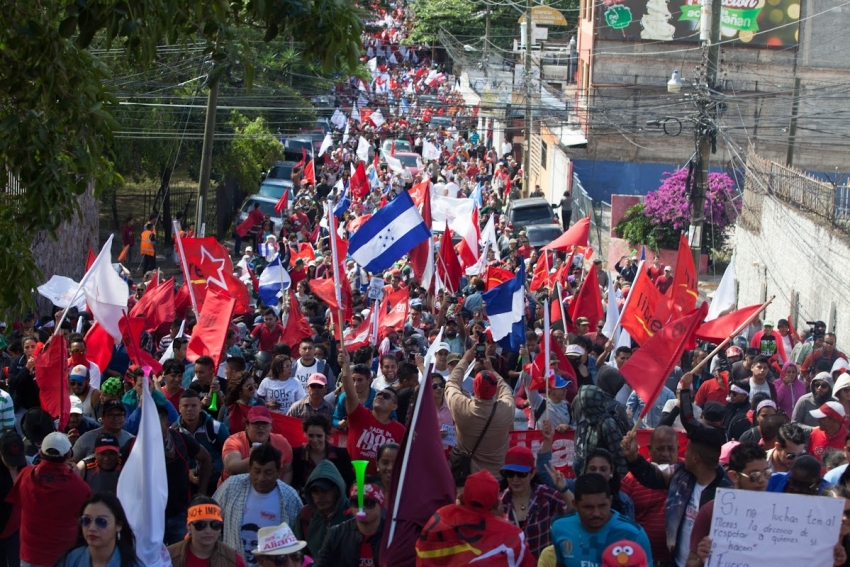
Rep. Hank Johnson reintroduced the Berta Caceres Human Rights in Honduras Act in the 115th Congress as House Resolution 1299 (HR 1299) on March 2, the first anniversary of the slain indigenous rights, feminist, and environomental activist. The bill would suspend all U.S. military and police aid to Honduras, including equipment and training, until basic human rights conditions are met. The Honduran police and military have been implicated in hundreds of human rights violations since the 2009 overthrow of the government, and we should not be supporting them with our tax dollars.

We have an amazing opportunity in the two years of the 115th Congress (2017-18) to generate enough support for this bill to get it passed. Already, Representatives Schakowsky, Lipinski, Gutierrez, Rush, and Davis from Illinois have signed on to co-sponsor. Here are three good reasons you might give us permission to sign your name on a letter to your Representative in support of this resolution, which CRLN staff will deliver when we are in DC for Ecumenical Advocacy Days:

  1. Berta’s family supports this bill, and we in CRLN believe in supporting the survivors of human rights abuses. Two of the suspects arrested in connection with Berta’s murder worked in military intelligence and were trained at the U.S. Army School of the Americas, and Berta’s family believes the intellectual authors of the crime occupy positions at the highest levels of government. Withdrawing financial support, along with communicating the reasons for doing so, would be a blow to these forces and might weaken their position within Honduras.
  2.  The social movements in Honduras (LGBT, women, Indigenous, Garifuna, labor unions, environmentalists, small farmers), and the journalists who cover them, are under constant threat of violence, and we in CRLN want to do everything in our power to send the message that they have international solidarity in these dangerous times. There have been credible allegations by an army defector of the existence of death squads within the Honduran military who have received U.S. training and who have a hit list of prominent social movement leaders. We need to stop U.S. training that results in assassinations.
  3. The current President, Juan Orlando Hernandez, and his administration and political party are riddled with corruption. He has been named by a drug trafficker leader on trial in New York as receiving bribes from his cartel, with Hernandez’ brother acting as liaison. His National Party stole hundreds of millions of dollars from the national health insurance system to fund his first campaign. He will run again for President this fall, which violates the Constitution; and he fired four Supreme Court justices who objected and appointed four who were in favor of his re-election bid in order to be able to run again. The U.S. should not reward with funds someone who seems willing to benefit himself at the expense of his country.


For further reading, here are some recent articles on Honduras:

By Berta Caceres’ nephew on the anniversary of her assassination: Click Here

“Berta Cáceres court papers show murder suspects’ links to US-trained elite troops”: Click Here

By Steven Dudley of InSight Crime on Honduran presidents’ link to gangs:Click Here

“Protesters in DC confront Honduran president over Berta Cáceres murder”: Click Here

Read More
image-title

Three CRLN staff and board members traveled to Honduras February 28 – March 8 together with La Voz de los de Abajo, one of CRLN’s partner groups. Below is a reflection by Sharon Hunter-Smith upon visiting two communities engaged in land recuperation as part of the National Center of Rural Workers.


Our group from Chicago stood staring at the rough wooden table, which held 2-dozen or so spent tear gas canisters plus a couple of bullet shells, collected by the 9th of July community from the area immediately surrounding the place where we stood. The largest one, designed to be fired from a rifle, was stamped “Made in U.S.A.” The connection between U.S. military and police aid to Honduras and the violent persecution of impoverished Honduran farmers was crystal clear in the objects before us.

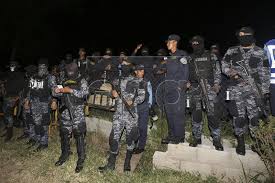
The original rural community of 28 families has been tear gassed and evicted from their simple hand-built dwellings and cultivated land 26 times by the Honduran military or police. In the last surprise eviction on January 13, 2017, the police followed the fleeing people, even women and children, across the valley, shooting all the way. One man was shot in the leg and a pregnant woman miscarried after running away, panicked, from the “security” forces. They also tore down and burned houses, stole or burned possessions and tools left in and around the houses, and cut down some of the fruit trees and crops. Since then, the women and children, have moved to a nearby community while the men have re-occupied the land.

“Thanks be to God that we continue to live on this land,” said one man. After each violent eviction, the community’s commitment is to return and resettle on the land within 24 hours of being pushed off, rebuilding houses and restoring crops as they are able. The bravery and endurance that this strategy demands is fed by their hope of land ownership. They experience other threats in the form of arrest warrants against them and death threats from the national or military police. “Every time we receive a group of international people who are in solidarity with us, it gives us the strength to keep going on with our struggle,” said another.

This community of formerly landless people, organized by the Central Nacional de Trabajadores del Campo (CNTC–National Center of Rural Workers), settled this abandoned and desert-like land in 2010. They dug trenches and bought plastic pipes to carry water for irrigation and drinking water from a spring 3 kilometers away. They planted fruit trees and other crops to feed their families. A dry hillside turned green and provided a way to make a living. The CNTC works with 203 other communities, like 9th of July, who are reclaiming land and putting it to good use in 14 of the 18 Honduran departments (what in the U.S. would be called states).

The National Agrarian Reform Law provides that idle land fit for farming can be expropriated and awarded to indigent and landless persons by the government, but this does not happen often. To force the issue and obtain the land essential for rural people to support themselves and their families, the CNTC works with landless people to settle and plant on unused, undeveloped or abandoned land. The occupants then file for title to the land under the Agrarian Reform Law with Honduran National Agrarian Institute (INA).

Read More